As an Amazon Associate I earn from qualifying purchases. This guide includes an affiliate link.
AI PILOT DAILY · PRACTICAL GUIDE · NOVEMBER 12, 2026
300 minutes is five hours of transcription. It can cover occasional interviews or a few short meetings, but not a calendar full of hour-long calls. Count the audio you actually want transcribed, not every appointment on your calendar.

Start with last month, not your ideal week
Open a completed month of your calendar and mark the conversations where a transcript would have been useful. Exclude sessions where someone else provides acceptable notes and events you are not permitted to record. Add the durations of the remaining conversations. This produces a more useful starting point than buying the plan that sounds like a professional tier.
Plaud currently documents 300 monthly minutes on Starter and 1,200 on Pro, with no rollover of unused monthly minutes. That makes a busy month more important than the annual average. See its membership FAQ for current terms.
Three planning examples
Two half-hour sessions each week use 240 minutes over four weeks, leaving 60. Three 45-minute sessions each week use 540, exceeding a 300-minute allowance by 240. Five hour-long sessions each week use 1,200. These are arithmetic examples, not observed customer workloads; a calendar month can contain more than four working weeks.
Now add foreseeable overruns. If the 240-minute example has two interviews that each run 20 minutes late, usage rises to 280. Another half-hour conversation takes it to 310. A plan that works only when every meeting ends exactly on time is a fragile choice.
Choose what deserves transcription
You do not have to turn every recording into text. A recurring status meeting with a clear written action list may be lower priority than a detailed interview. Make the selection before processing files so the important conversations do not compete with recordings you will never read.
This is not a recommendation to omit records required by your organization. Keep operational and retention requirements separate from a personal subscription budget. Also check how the service counts uploads, partial files and repeated processing rather than assuming every retry is free.
A small worksheet you can reuse
- Essential conversations: number × typical duration.
- Occasional conversations: expected monthly total.
- Overrun reserve: an explicit amount, not an invisible assumption.
- Existing coverage: subtract only sessions whose notes already meet your needs.
Write the expected total and a busy-month total side by side. If both fit comfortably, begin with the smaller allowance. If ordinary use already exceeds it, compare the cost of upgrading with processing fewer files. Do not pay for an annual plan solely to avoid making this calculation.
What if the allowance runs out?
Distinguish recording from transcription. Before relying on a device during a busy period, check what still works when processing capacity is exhausted. Record the next reset date and the available options; do not discover those details while trying to deliver interview notes.
The useful outcome is a budget you can explain: “I need around this many minutes for these conversations.” It is not a promise that five hours will be enough for everyone with the same job title.
A common question
Does five hours cover every month?
No. The worked examples use four weeks; calculate your actual calendar month and add realistic headroom.
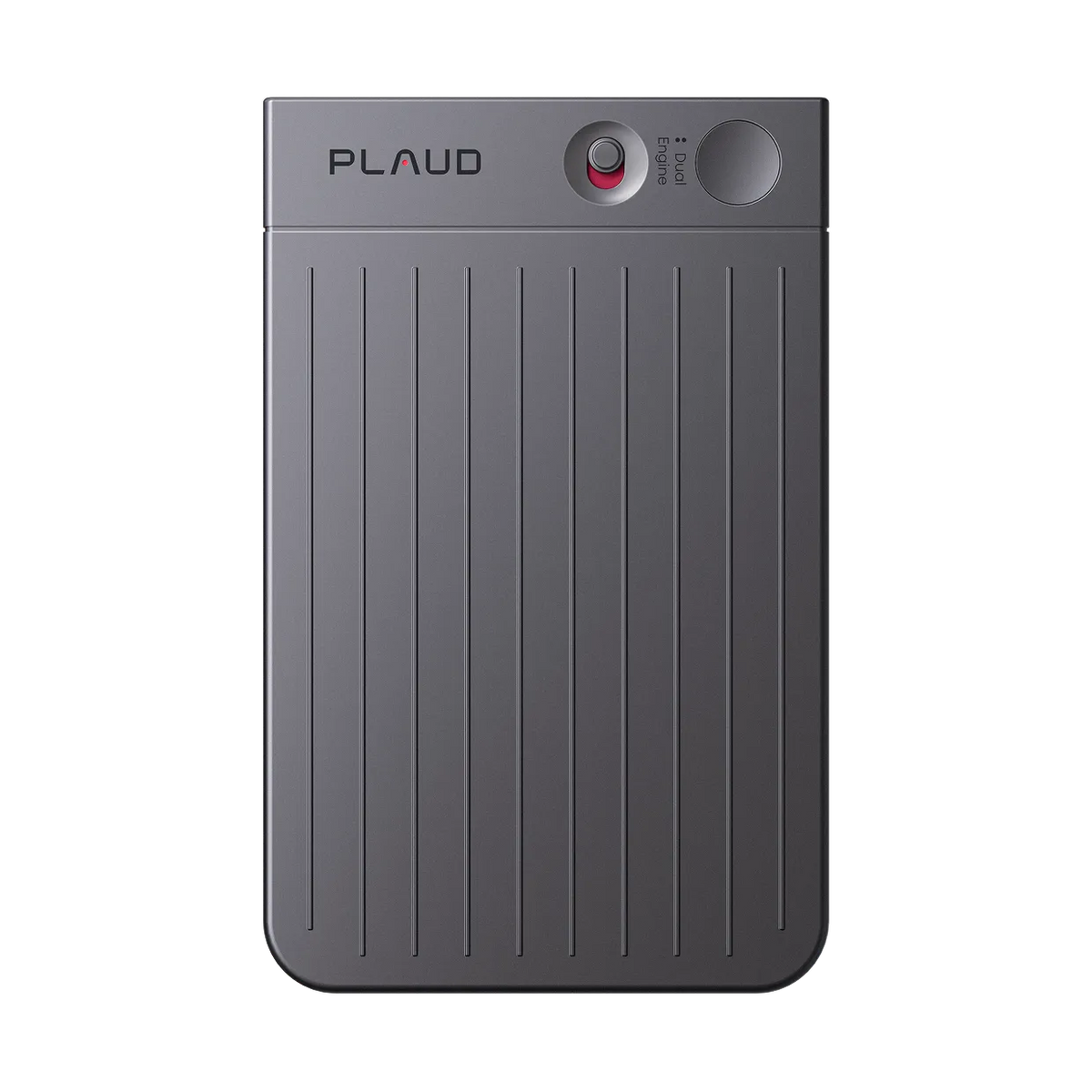
Considering dedicated hardware? Check Plaud Note Pro on Amazon. This is the Note Pro listing, not the original Note or NotePin. Confirm the current bundle and price.