AI PILOT DAILY · PRACTICAL GUIDE · NOVEMBER 12, 2026
32-bit float recording can be useful in an audio workflow, but it does not turn missing or obscured speech into a clean conversation. Capture conditions still matter.

Do not buy a number instead of a workflow
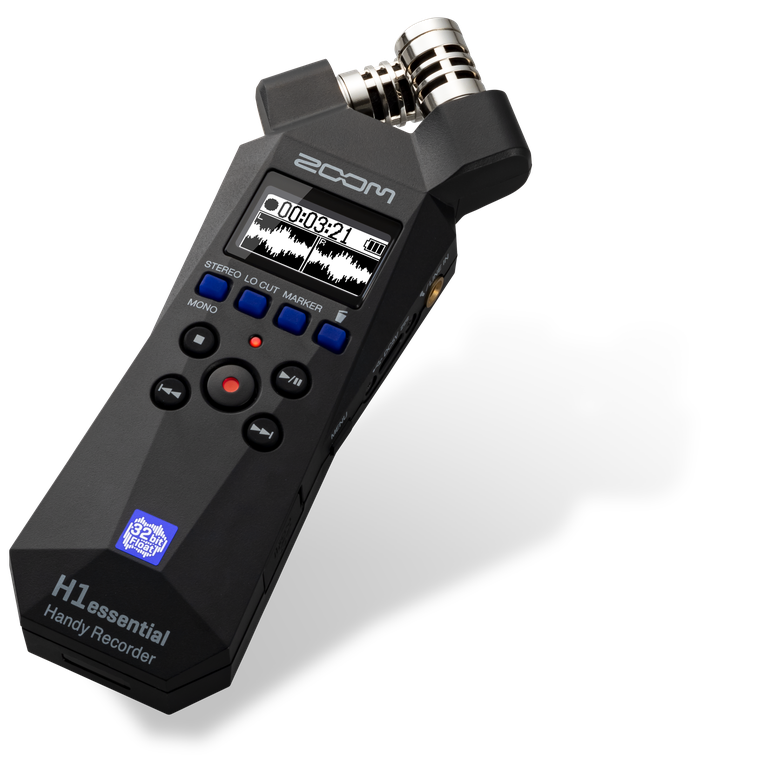
When comparing recorders, a prominent format specification can dominate the decision. Zoom documents 32-bit float WAV recording for the H1essential. That tells you something about the recorded file, but not whether the recorder will be placed well in your meeting or whether the output fits your editing process.
Before treating any format as essential, check whether your intended software accepts it and how you will export the final deliverable. A technically capable file is not useful if you cannot manage it confidently.
Start with the voice you need
If the important speaker is too distant or masked by nearby noise, changing a level later is not the same as having captured a clear voice. Listen to a short sample from the actual position. Pay attention to intelligibility, not only volume.
Likewise, a recording cannot include a sentence spoken before capture began. Check the start, stop and saved-file behavior you depend on. Feature names do not replace knowing whether you actually recorded the conversation.
Separate three questions
First: was the sound captured clearly enough? Second: does the file retain the information your editing task needs? Third: can your software produce the required output? A good buying decision answers all three rather than assuming the file format settles them.
For spoken notes, your main concern may be understanding words. For an audio-production task, editing flexibility and delivery format may matter more. These priorities overlap, but they are not identical.
Try a controlled comparison
Use a non-sensitive sample and keep the original unchanged. Work on a copy in the intended editor. Compare the result with the original using the same passage. Record what changed and what remained difficult to understand.
Do not turn this informal exercise into a broad product ranking. Its purpose is to learn whether the workflow solves your own problem under your conditions.
Where to spend attention first
Prioritize placement, reliable operation, usable file transfer and a backup. Then evaluate format benefits in the context of your editor and output requirements. If you are unsure, use the manufacturer’s manual and your software’s current documentation rather than a marketplace headline.
A sensible conclusion may be that the feature is valuable for your editing work. It may also be that another operational feature matters more. Either is better than expecting a recording format to repair a conversation that was never captured intelligibly.
A common question
Does a file format remove the need for a sound check?
No. Check the actual voices and placement before relying on the recording.