AI PILOT DAILY · PRACTICAL GUIDE · NOVEMBER 12, 2026
A lecture recorder is useful only if you can record appropriately and turn the output into usable study material. Calculate weekly lecture hours before choosing a transcription plan; even a modest timetable can create a large monthly workload.
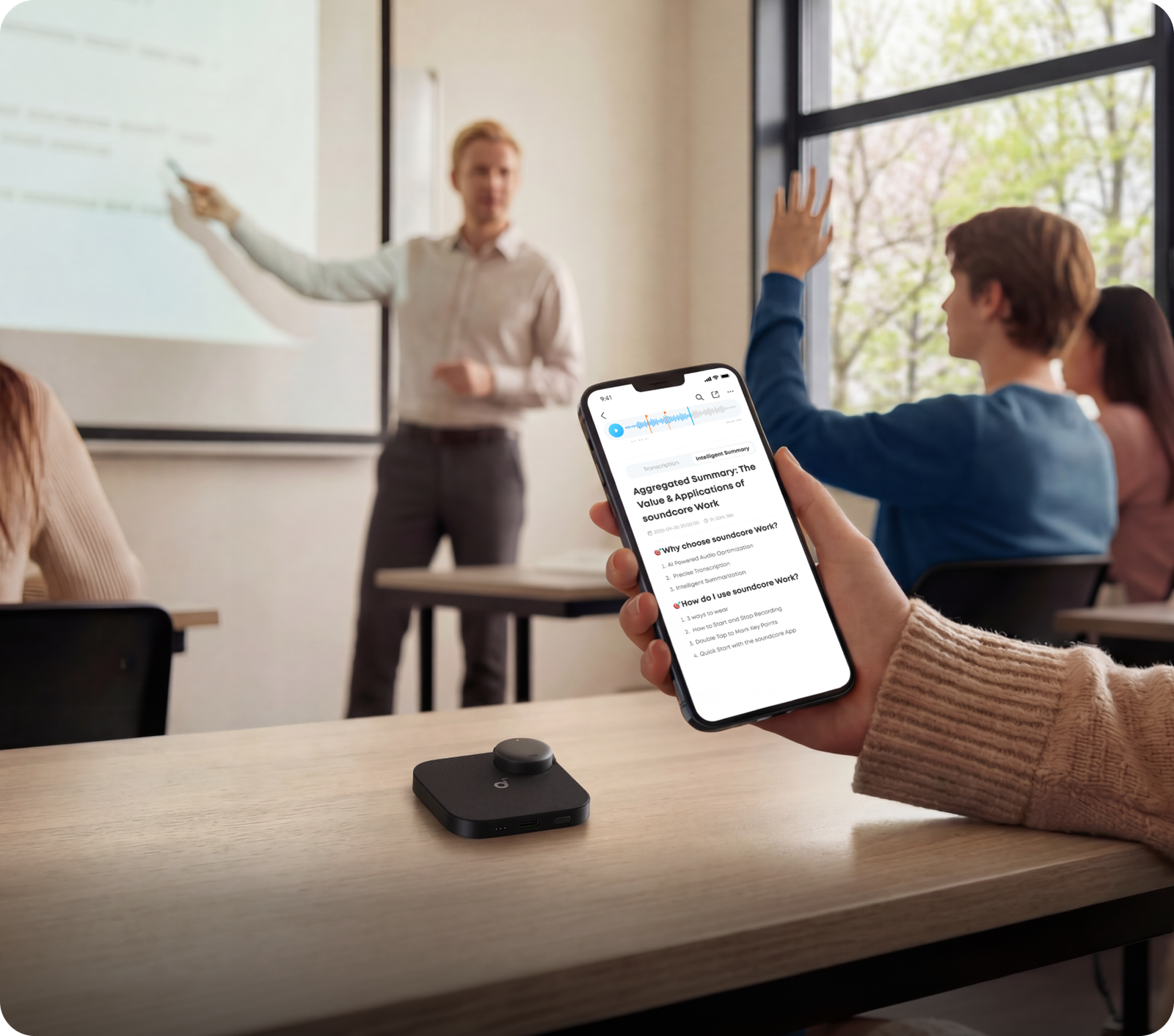
Do the timetable calculation
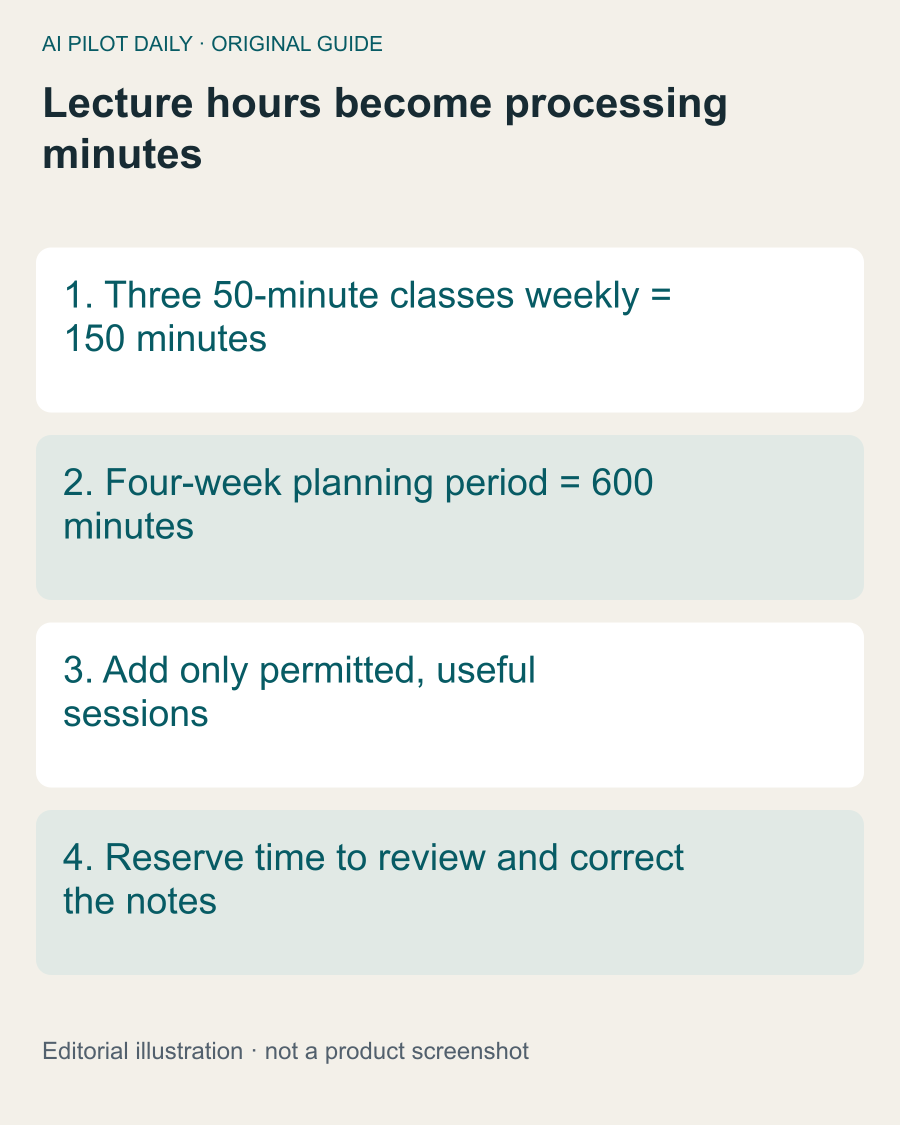
Three 50-minute classes each week produce 150 minutes. Across four weeks, that is 600 minutes before tutorials or revision sessions. Six classes of the same length produce 1,200 minutes. These are illustrative schedules, not measurements of any student’s actual workload.
Multiply the classes you intend to process, not every event on the timetable. Some sessions may already have adequate materials or may not permit personal recording. Confirm the rules with the institution and instructor instead of assuming a device purchase grants permission.
Choose the study outcome
Do you need a full transcript, a way to revisit difficult explanations or a short list of topics to revise? These are different jobs. If your main problem is finding a ten-minute explanation, a timestamped recording and your own notes might be enough.
If you need searchable text, check how technical terms are handled. A readable transcript can still contain errors in equations, names or specialist vocabulary. Keep slides and course materials available when checking the output.
Build a review habit before building an archive
After a class, identify the concepts you did not understand and locate those passages first. Correct the terms that matter, then write a short explanation in your own words. Merely collecting transcripts does not show that you understood the material.
Set a manageable review window. If recordings accumulate faster than you can use them, reduce what you process or change the workflow. Buying a larger allowance will not solve an unread backlog by itself.
Test the actual room
Use an allowed, short sample from your normal seat when possible. Check whether the instructor is intelligible and whether nearby typing overwhelms the audio. A good recording made beside the instructor does not establish performance from the back of the room.
For remote classes, check whether the existing platform already provides approved recordings or transcripts. A dedicated recorder may duplicate an available service.
What makes a good student gift?
Ask about the student’s needs and approved accessibility support before choosing. A new gadget should complement those arrangements, not replace them. Consider recurring service costs, charging habits and whether the student wants another account.
If you cannot establish a useful workflow, wait. A recorder becomes valuable when it helps the student return to a specific explanation and act on it. Hours of stored audio are not, by themselves, evidence of better learning.
A common question
Will recording every lecture improve my notes?
Not automatically. Plan what you will review and how the recording helps resolve a specific learning question.