As an Amazon Associate I earn from qualifying purchases. This guide includes an affiliate link.
AI PILOT DAILY · PRACTICAL GUIDE · NOVEMBER 12, 2026
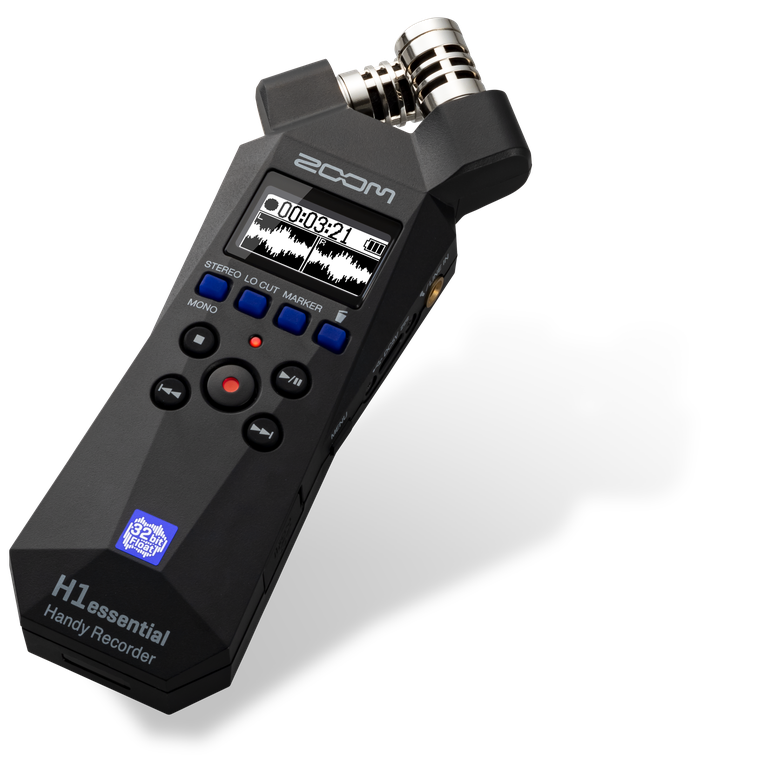
Start with the deliverable: editable audio files or conveniently organized spoken notes. A recorder such as the Zoom H1essential and an AI note-taker can serve different priorities even when both capture conversations.
What the recorder needs to hand you
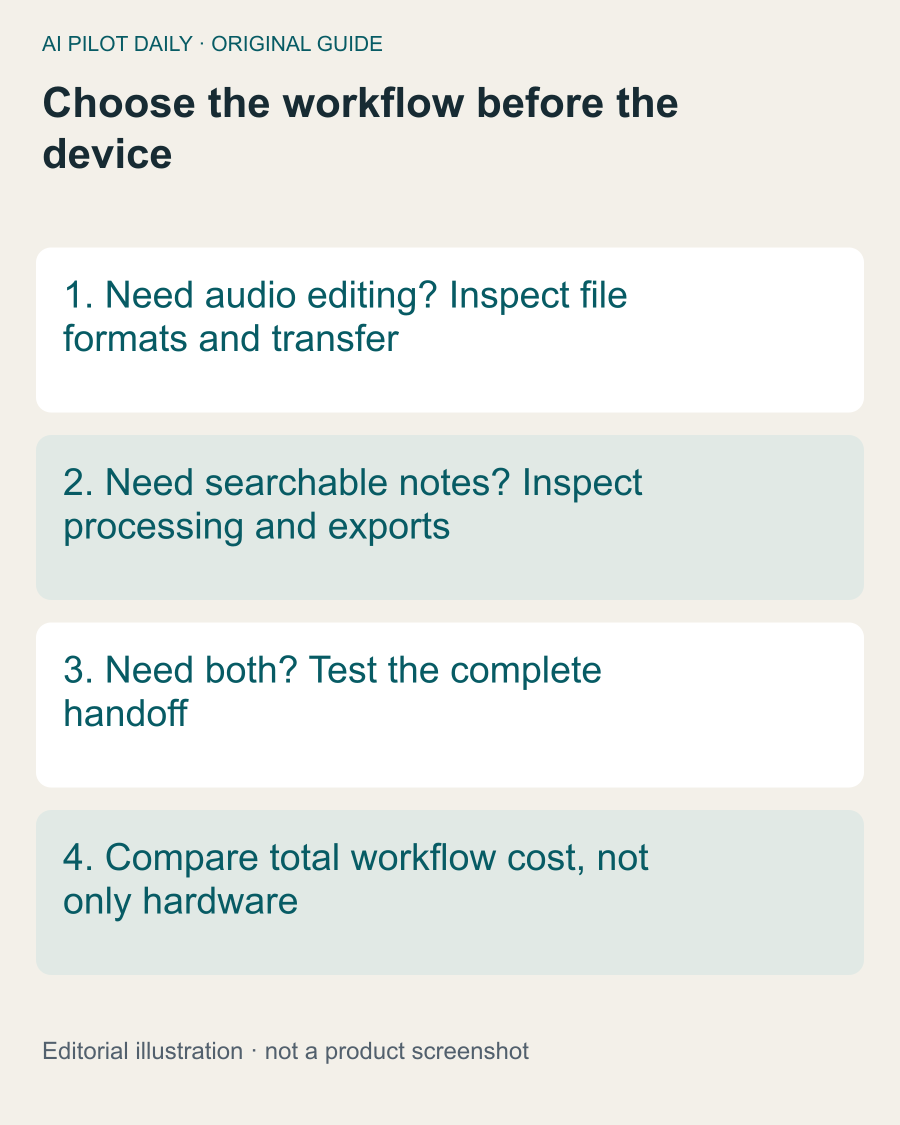
If your next step is editing audio, inspect the supported file formats, transfer method and compatibility with your editor. Zoom’s H1essential manual documents 32-bit float WAV recording and file-transfer functions. Those are concrete workflow features; they do not automatically make it the best choice for every interview.
If your next step is sending a short meeting summary, examine how the note-taking service gets from recording to usable text. Check the service allowance, export options and correction process. A capable audio recorder without an integrated note workflow may require an additional processing step.
Draw your handoff on paper
For a file-centered workflow, write: record, copy, verify, edit, archive. For a note-centered workflow, write: record, transfer, process, correct, share. Add the tools and accounts needed at each stage. This often reveals a mismatch more clearly than a specifications table.
If you need both edited audio and meeting notes, do not assume either category handles the other job automatically. Verify that you can obtain the required audio and text outputs in formats your next tool accepts.
Compare the burden of correction
An AI summary can be convenient while still requiring review. An audio file can preserve the source while requiring more organization. Decide which work you are willing to do and which work the recipient of the device actually wants to do.
There is no universal winner between “more control” and “fewer steps.” A journalist preparing an audio segment and a manager reviewing routine discussions may reasonably choose different tools.
Budget the full workflow
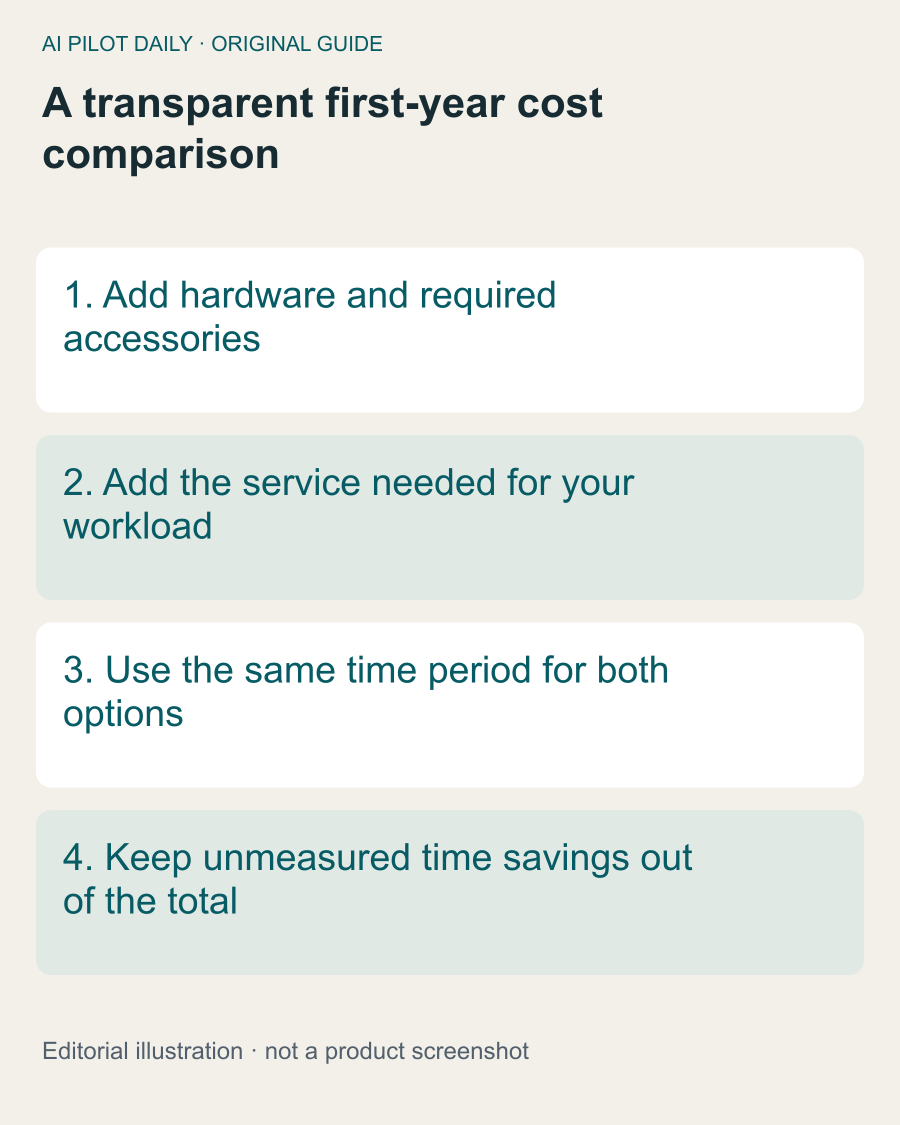
Include any required storage media, accessories, software and processing service. Do not compare a bare recorder with a complete bundle as though the sticker prices represent equivalent setups. Avoid assigning a monetary value to time savings you have not observed.
For a first purchase, a small representative trial is more informative than a feature count. Can you capture a conversation, locate the file, make the necessary corrections and produce the final deliverable without an awkward workaround?
Who should wait?
If your existing phone or approved meeting software already produces usable results, identify the specific failure before buying. A second device is worthwhile when it removes that failure, not simply because its category is newer.
This comparison is about workflow fit, not a measured microphone or transcription contest. Check current model documentation and verify the exact listing before choosing either route.
A common question
Does this comparison rank microphone quality?
No. It compares workflows and required outputs, not results from a controlled audio test.
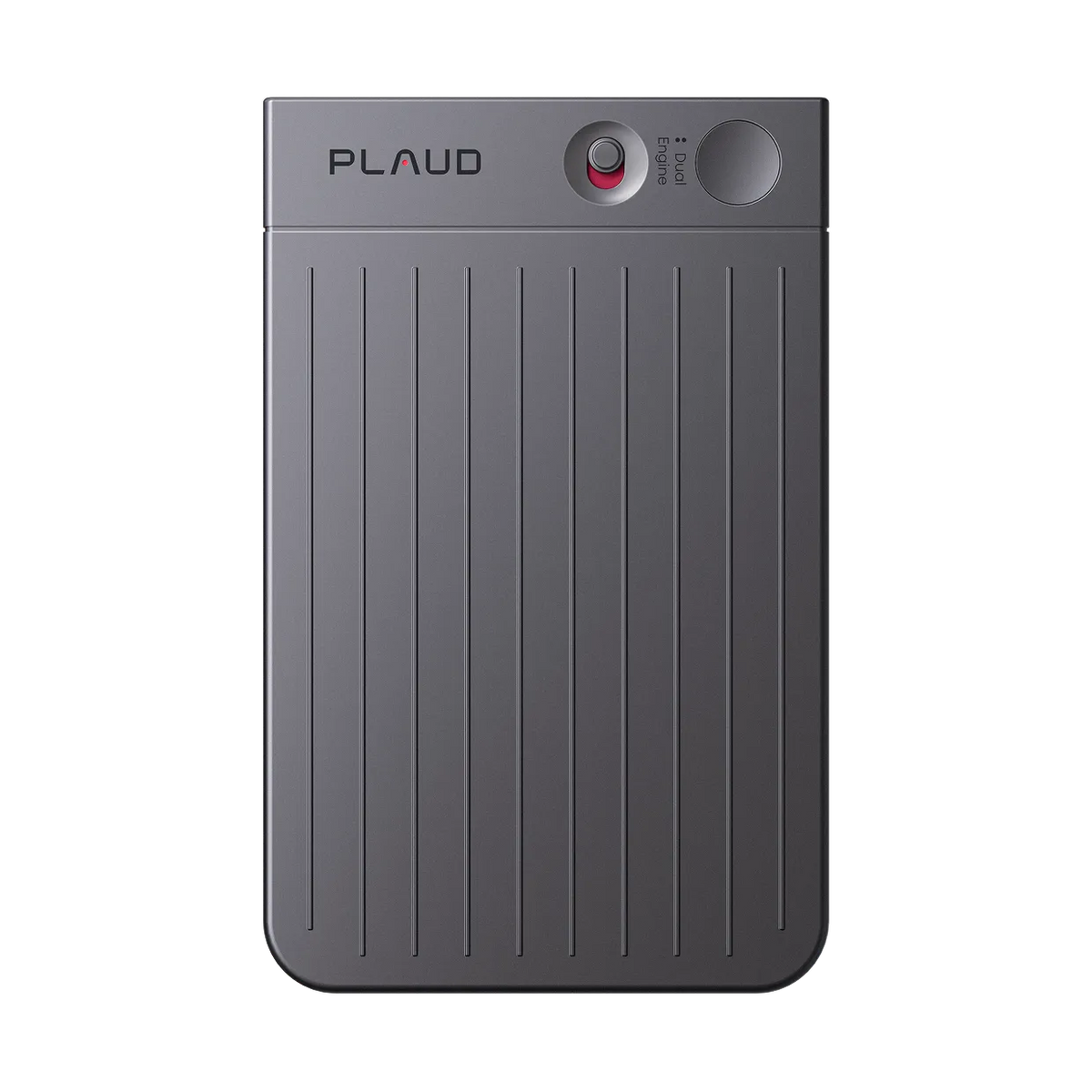
Considering dedicated hardware? Check Plaud Note Pro on Amazon. This is the Note Pro listing, not the original Note or NotePin. Confirm the current bundle and price.