AI PILOT DAILY · PRACTICAL GUIDE · NOVEMBER 12, 2026
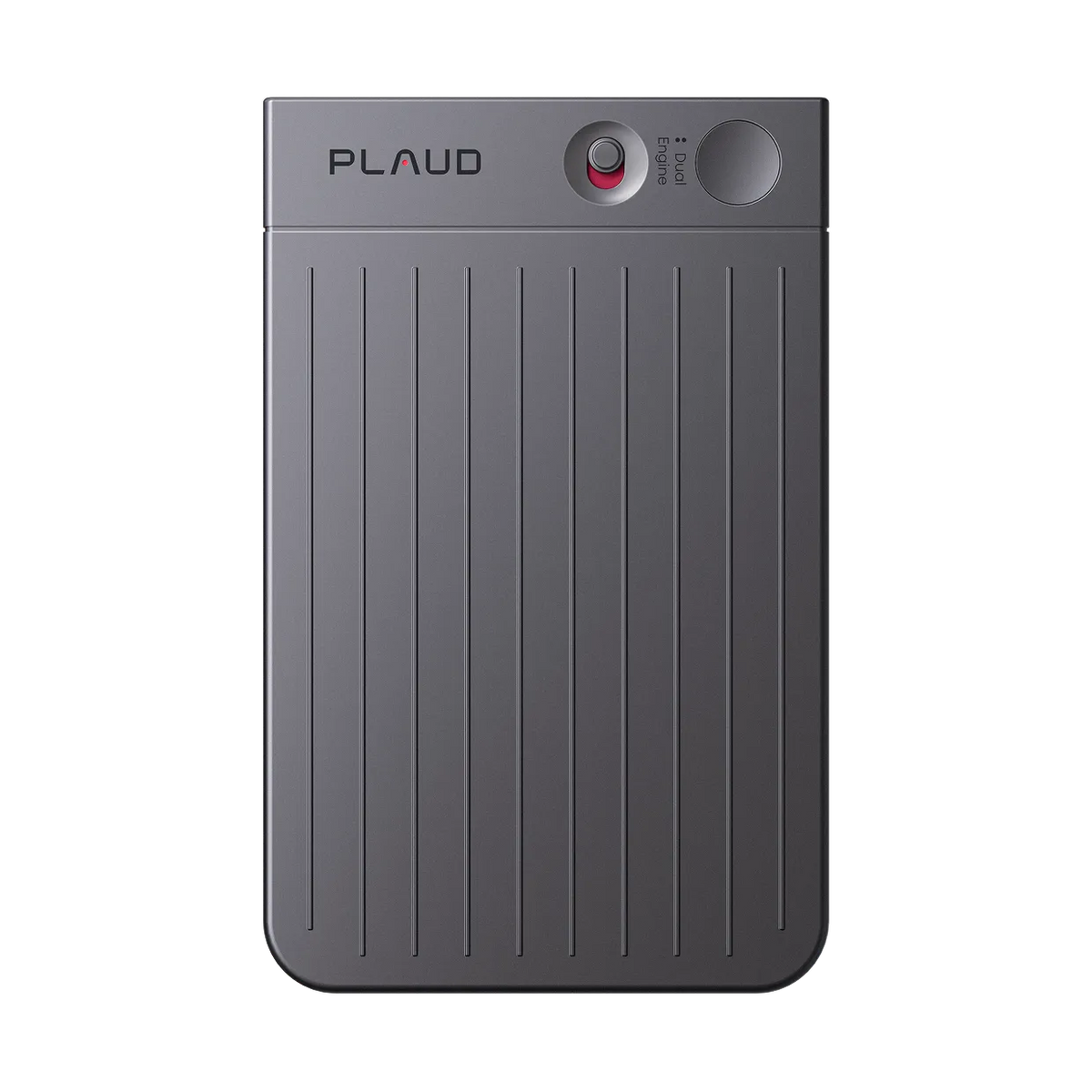
Put the recorder where it can capture the people you need to hear, then check a short recording from that position. The middle of a table is a starting idea, not a guarantee of usable speech.

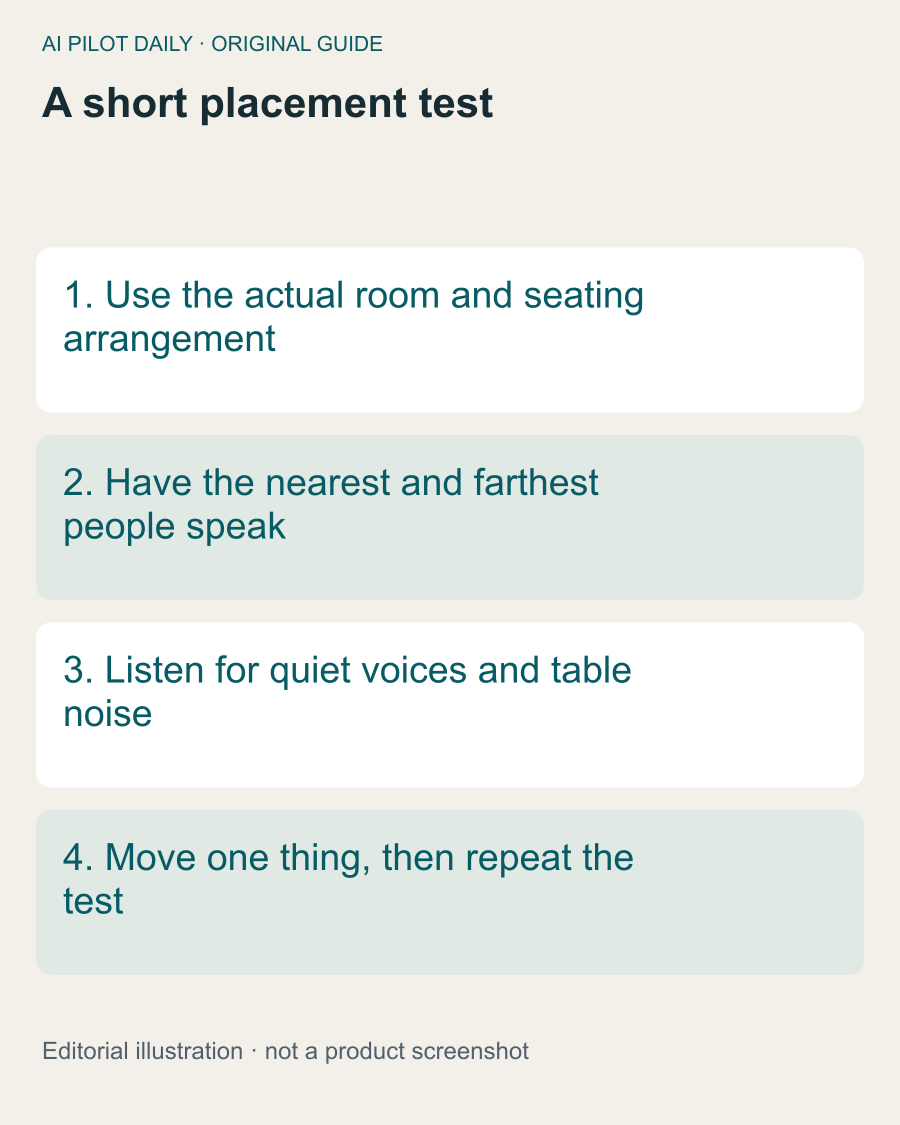
The quietest speaker decides whether the setup works
A recording can sound excellent when you speak beside the device and still fail for the colleague at the other end of the table. Before an important session, ask someone in the farthest relevant seat to say a short sentence at a normal level. Listen back instead of judging from a moving level indicator.
This is a proposed setup check, not a measured microphone-range claim. Use the placement guidance for the exact recorder. For example, Zoom includes a dedicated placement section in its H1essential manual; that does not establish the same pickup behavior for a wearable AI recorder.
Listen for problems you can actually change
Check whether speech is understandable, not merely audible. A fan, clattering cups or paper moved beside the recorder can compete with quieter voices. A device placed close to a laptop may pick up the work happening at that laptop more clearly than the person you care about.
Try one adjustment at a time: move away from the noise source, change the position relative to the quiet speaker, or ask participants not to put objects over the recorder. If you change several things at once, you will not know which adjustment helped.
A two-position comparison
Record the same short exchange from two practical locations. Keep the people, wording and speaking level as consistent as possible. Label the files A and B and note where the recorder sat. Compare the hard-to-hear sentence in each file, not only your own voice.
The purpose is to choose between available positions in this room. It is not a laboratory test of competing products. Avoid turning one informal comparison into a universal claim about which brand has the best microphone.
During the conversation
Keep the recorder visible and follow the meeting’s permission requirements. If people change seats or move the conversation elsewhere, reconsider the placement. A successful check at the start does not cover an entirely different arrangement later.
Use a brief note to mark moments that may need review: overlapping speech, an important number or an interruption. A timestamp is more useful than expecting a summary to identify every uncertainty automatically.
When one recorder is not enough
If the farthest voices remain unclear in every practical position, do not assume an AI service will reconstruct missing words. Consider a different room arrangement or a recording setup suitable for the space. For a high-stakes meeting, solve capture before relying on transcription.
The best placement is the one that produces usable playback for the relevant speakers under the actual conditions. A small test costs less effort than discovering afterward that the decisive conversation was too quiet.
A common question
Should a meeting recorder always sit in the center?
No. Compare practical positions using the actual speakers and room, then listen to the quietest relevant voice.